


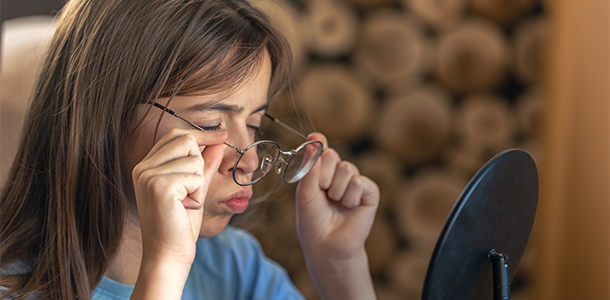
Most people book a dentist appointment without a second thought, yet skip their eye exam for years. Vision changes are often gradual — your eyes adapt so quietly that you barely notice the shift until something is obviously wrong. A regular eye exam is not just about getting a new glasses prescription. It is a health check that can reveal early signs of glaucoma, macular degeneration, diabetic eye disease, and even high blood pressure.
Recommended Eye Exam Frequency by Age
For children, the American Optometric Association recommends a first comprehensive eye exam at six months, a second at age three, and another before starting kindergarten. After that, exams should happen every one to two years unless a problem is identified, in which case annual visits become essential. Undetected vision problems in school-age children are directly linked to reading difficulties and academic struggles.
Adults between the ages of 18 and 39 with no known risk factors should have a complete eye exam every two years. If you wear glasses or contact lenses, have a family history of eye disease, or have been diagnosed with diabetes, annual exams are the right choice regardless of your age.
Why Eye Exams Matter More After 40
The lens inside the eye gradually loses flexibility starting in the early forties, making it harder to focus on near objects — a condition called presbyopia. Reading glasses often become necessary around this time. More importantly, the risk of glaucoma, cataracts, and age-related macular degeneration increases significantly after 40. These conditions rarely cause noticeable symptoms in their early stages. Catching them through regular screening, while treatment options are most effective, is the single best thing you can do for your long-term vision.
Adults over 60 should schedule an eye exam every year. The risk of serious eye disease increases steeply with age, and many seniors are managing conditions like diabetes or high blood pressure that directly affect the eyes.
What Happens During a Comprehensive Eye Exam
A full eye exam covers far more than reading letters off a chart. Your optometrist will measure visual acuity at distance and near, check how your eyes work together, measure the pressure inside your eyes to screen for glaucoma, examine the health of your retina and optic nerve, and assess the front surface of your eye. Depending on your age and risk factors, your pupils may be dilated to give the doctor a wider view of the structures at the back of the eye.
The entire exam typically takes 45 to 60 minutes. If you wear contacts, bring them to the appointment along with your most recent glasses. Bring a list of any medications you take, as certain drugs can affect eye pressure, lens clarity, and retinal health.
Signs You Should Not Wait for Your Next Scheduled Exam
While routine exams are essential, certain symptoms warrant an urgent appointment. Sudden blurring, flashing lights, a new shower of floaters, eye pain, double vision, or a noticeable change in color perception should all be evaluated promptly. These can signal acute conditions that require immediate attention.
Regular eye exams are one of the simplest and most effective ways to protect your vision throughout your life. If you cannot remember when you last had one, that is reason enough to schedule an appointment. Learn more about what to expect by visiting our comprehensive eye care services page.